Skip to content



Table of Contents
Your skin looked fine in September. By mid-January, it feels tight after every shower, flakes around your nose, and the lines near your eyes seem to have arrived overnight. Winter skin dryness explains most of that change, and in Michigan it comes from two directions at once.
At The Spa MD, we see this same pattern every year in patients across Rochester Hills and the surrounding Oakland County communities. The encouraging part is that much of what winter does to skin reverses, and the right dry skin treatment approach addresses both the dryness and the texture it leaves behind.
Why does my skin get so much worse in the winter
Cold outdoor air and indoor furnace heat both pull moisture out of your skin at the same time, which weakens the skin barrier. Skin ends up tight, flaky, and dull, and existing fine lines look deeper because dehydrated skin loses its plumpness. Most of that change improves once hydration and barrier support are restored.
What Michigan Winter Actually Does to Your Skin
Cold air holds very little moisture. From November through March, outdoor humidity across southeast Michigan drops sharply, and skin loses water to the air simply by being outside in it.
Indoor heat compounds the problem. Most Michigan homes run a furnace for five straight months, and forced air pulls humidity out of every room. Skin sits in dry conditions around the clock.
The clinical term for the result is transepidermal water loss, meaning moisture evaporates from the skin faster than it can be replaced. Add the daily swing of a scraped windshield, a heated car, then a heated office, repeated all week, and skin never fully settles.
Why Fine Lines Look Deeper in January Than in September
Fine lines look deeper in winter because dehydrated skin loses the plumpness that softens them. The line itself has not changed much. The skin around it has flattened, so it catches more shadow.
Two kinds of lines behave differently. Dynamic rhytides, the expression lines that appear when you squint or raise your brows, come from repeated muscle movement. Static rhytides are the lines visible when your face is completely at rest. Winter exaggerates the appearance of both.
Most of that seasonal change is hydration rather than sudden aging, and a good deal of it improves with better winter skin care. What does not improve on its own is the structural change underneath.
The Signs Your Skin Barrier Is Compromised, Not Just Dry
Dryness and a damaged barrier are not the same problem. Dryness responds to moisturizer. A compromised barrier does not. Watch for these signs:
- Tightness that sets in immediately after cleansing
- Products that sting now and never used to
- Flaking around the nose, brows, and hairline
- Redness that lingers instead of fading
- Uneven skin texture and makeup clinging to patches no matter how much moisturizer you apply
The Winter Habits Making It Worse
A few ordinary habits quietly undo everything else you do:
- Hot showers and hot water on the face, which strip the lipids holding the barrier together
- A desk parked under a heating vent or beside a space heater
- Over-exfoliating to scrub away flaking, which is the most common mistake we see and makes the flaking worse
- Skipping sunscreen on overcast days, since winter sun reflecting off snow still delivers UV exposure, and UV exposure contributes directly to fine lines.
How to Rebuild Your Skin Barrier at Home
Rebuilding the barrier takes a few weeks of consistency, not a cabinet full of new products. Through the cold months:
- Trade foaming cleansers for a cream or balm cleanser
- Apply a humectant such as hyaluronic acid to damp skin, then seal it with an occlusive. Order counts, because a humectant applied to dry skin in a dry room has nothing to pull from
- Look for ceramides and niacinamide, and consider a petrolatum-based occlusive at night.
- Run a humidifier in the bedroom, which addresses the furnace problem directly.
- Keep retinol in your routine but reduce frequency instead of stopping. If you use a prescription retinoid such as tretinoin, ask your provider how to adjust for winter.
What At-Home Care Cannot Fix
Barrier repair restores hydration and smooths surface texture. It does not replace lost collagen or soften lines that were already well established before the weather turned.
A useful test: hydrate properly for three to four weeks, then look again. What softened was seasonal. What is still visible is structural, and that is the point where in-office fine lines treatment becomes worth discussing.
In-Office Options for Fine Lines in Rochester Hills
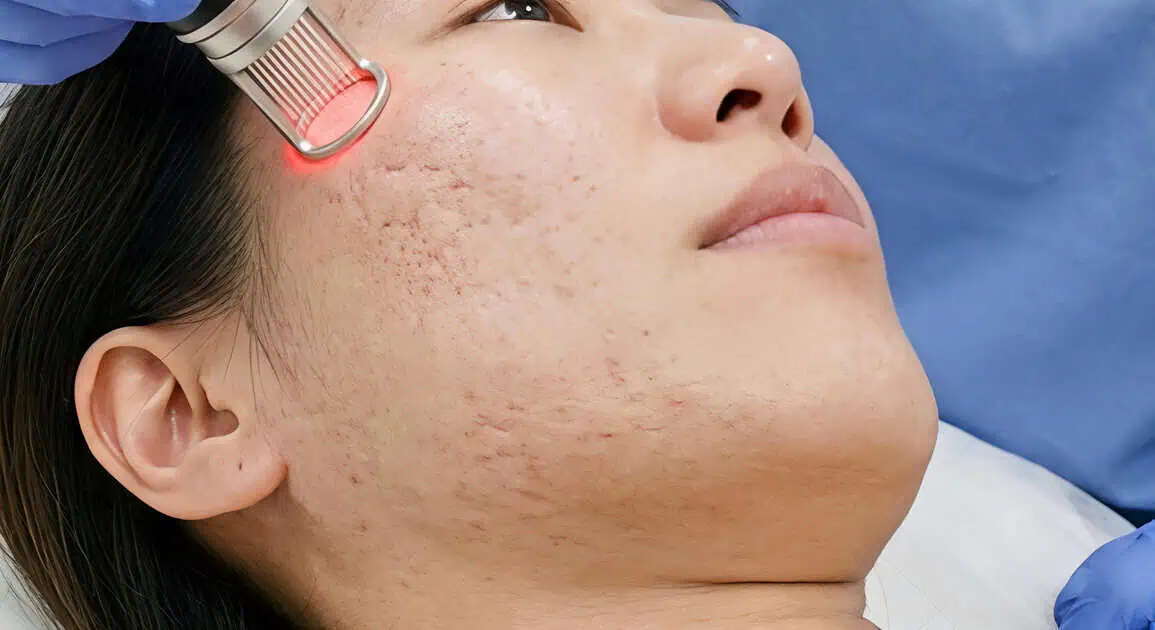
Several in-office options address what hydration alone leaves behind. Hydrating facials and gentle chemical peels can lift dull surface cells and improve uneven skin texture once the barrier is stable again. Neuromodulators soften dynamic lines by relaxing the muscles that create them, while hyaluronic acid filler restores volume where static lines have settled. These address different problems rather than competing with each other.
Candidacy is individual. Peel and resurfacing suitability depends on your Fitzpatrick skin type and the current condition of your barrier, which a provider assesses in person rather than from a website. Most patients notice gradual improvement, and results vary. Our Team reviews your skin before recommending anything.
Common Questions About Winter Skin in Michigan
Why does my moisturizer sting now? Stinging usually signals a compromised barrier rather than a bad product. Simplify your routine to a gentle cleanser and a bland occlusive for two weeks.
Should I stop retinol in winter? Not usually. Reducing to two or three nights per week keeps the benefit while giving the barrier room to recover.
Can winter dryness cause permanent wrinkles? Dryness exaggerates the lines you already have rather than creating new permanent ones. Repeated sun exposure and collagen loss drive the lasting changes.
Your Skin Does Not Have to Wait Until Spring
Winter skin in Michigan looks worse because cold outdoor air and five months of furnace heat pull moisture out faster than skin can replace it. Rebuild the barrier first, give it three or four weeks, then look at what is actually left. The dry skin treatment Michigan winters call for starts with hydration and ends with the structural concerns that hydration cannot touch.
If your skin still looks tired and lined after you have done the at-home work, our providers can walk you through what would help and what would not. Schedule Your Skin Consultation, and we will take it from there.